
This mini-course examines health science research institutions in the United States through a sociological lens, offering a critical exploration of systemic inequities and their impacts. The course is designed to:
-
Analyze the history and contemporary realities of structural racism and heterosexism within these institutions.
-
Identify and explore the root causes of health disparities affecting Black, Latinx, and LGBTQ+ BIPOC communities.
-
Investigate how these populations experience and manage chronic illness, including their coping mechanisms and resilience.
-
Equip students with strategies for conducting inclusive, ethical, and culturally responsive research.
Through a dynamic mix of scholarly articles, group discussions, and engaging presentations, students will gain the tools to critically assess institutional practices and advocate for equity in health science research.

University of California, San Francisco Spring 2024
GRAD 219: Special Topics in Race and Racism in Science
“Colonial Legacies and Experimentation in the Health Sciences”
Monday, April 1 - Friday, April 19, 2024
MWF, 9 – 10:30am PST
Course Zoom link: https://ucsf.zoom.us/j/92150288757?pwd=bkRiK011Y3F5QWRaWFArNHlIWm5XUT09
This mini course on "Colonial Legacies and Experimentation in the Health Sciences" will draw on humanities and social sciences texts to consider the ways in which historical and contemporary mobilizations of categories of race have been central to medical and scientific understandings of who is (and is not) human. We will think beyond anthropocentric conceptions of science to also question what it means to treat ethically not only people but also other non-human living beings including biological specimens, animals, and environments. We will build on prior course material (Grad 202) to consider how the biological sciences interface with categories of classification including race, disability, gender, and human. We will discuss the historical background and contemporary significance of these categories of difference, paying special attention to ideas of consent, pain, and agency as they are understood today.
We will read texts which reference medical anthropology, de-colonial and post-colonial theory, critical race theory, political ecology, science and technology studies (STS), and Indigenous STS. In week 1, "Consent and Non-Consent: Colonization and Experimentation," we will read historical and contemporary sources about how colonial logics of extraction and ownership were foundational to contemporary logics of consent and experimentation. In week 2, "Cycles of Violence and Healing in Western Science," we will question the ways in which these logics continue to inform the ethics of the health sciences and medicine in the Western world. In week 3, "Inspiration from Post-Colonial Presents, Imagination of Anti-Colonial Futures," we will discuss contemporary critiques of Western science, and related responses and interventions.
This course will examine colonial and carceral legacies undergirding the development of science and medicine in the Western world. The course will draw on texts from a wide range of disciplines in the social sciences and humanities, including medical anthropology, history of science and medicine, ethnic studies, and science and technology studies. Perspectives on decolonial and abolitionist responses and interventions will be explored and discussed.
- Instructor: Carlos Martinez
- Instructor: Polina Ilieva
- Instructor: Antoine Johnson
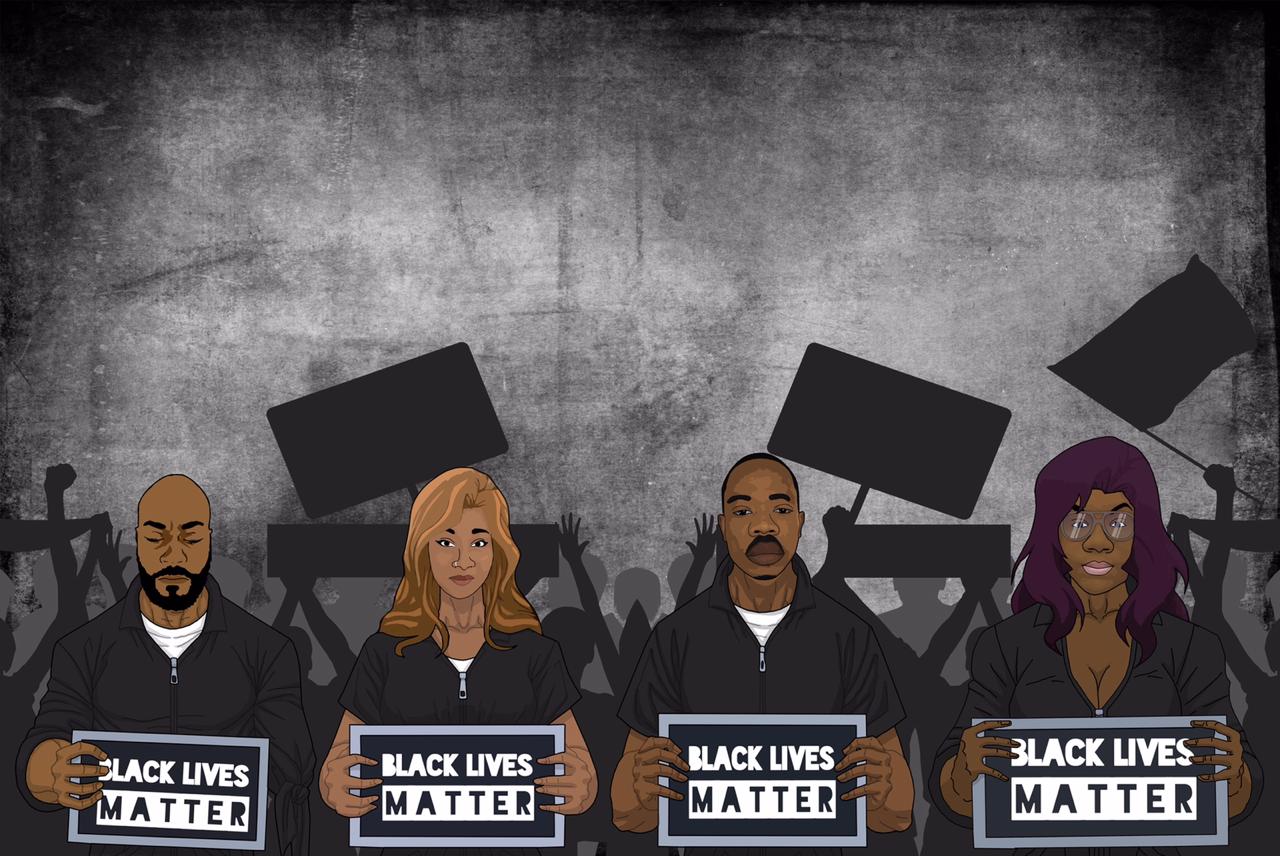
This course will highlight the history and current-day structural racism in science, public health and clinical practice. This series aims to critique how science and public health are practiced by engaging with guest speakers, critical race theory and science and technology studies. A sociological lens will be used to explore how racism in science is constructed, including the funding of science, how research is designed and racist practices in health care settings. Together we will examine our role as researchers and practitioners in reimagining a more equitable science.
Course Objectives:
· Explore the principles of critical race theory and frames the impacts of racism in scientific research.
· Analyze how racism is instituted through scientific, institutional practices, including funding, scientific publications, scientific research that can systematize racial inequalities.
· Describe examples of current racist practices in medicine, public health and scientific research
· Identify opportunities to reexamine and reconstruct science in are more equitable manner
- Instructor: Rashon Lane