
Training in Practice Based Research TIPR
Section outline
-
Training in Practice Based Research (TIPR)Course Directors: Michael Potter (michael.potter@ucsf.edu) and Emilia De Marchis (emilia.demarchis@ucsf.edu)Course Administrator: Saji Mansur (saji.mansur@ucsf.edu)Content Developers: Katherine Dang, Emilia De Marchis, Paula Fleisher, Sundeep Gupta, Brooke Harris, Kelsey Holt, Susan Hughes, Mohammad Khan, Saji Mansur, Daphne Miller, Michael Potter, Priyanka Tulshian, and Roberto Vargas.Course Sponsors: UCSF Clinical and Translational Science Institute (including the San Francisco Bay Collaborative Research Network - SFBayCRN), UCSF Department of Family and Community Medicine (including the UCSF Family Medicine Alliance Residency Programs), and the UCSF Department of Epidemiology and Biostatistics.Program Description: The goal of this program is to provide residency learners with training in practice based research and scholarly activities, more generally. Specifically, the goals are to provide learners with an introductory experience with research and scholarly activities in community-based clinical settings, including clinical research, implementation research, and quality improvement. These topics will be presented with a focus on engaging invested parties, addressing the needs of diverse communities and structural biases such as racism and gender discrimination in research. This program is currently offered as an elective at participating UCSF-affiliated community based residency training programs. The program is longitudinal, self-paced, and divided into two main parts.In PART 1, learners will engage in a series of modules that include online lectures, readings, and homework supervised by local residency faculty mentors. These modules are self-paced and designed to be completed within one year, but may be completed in less time if desired. The module activities will build on each other and lead to a final product, which will be a 3-5 page written practice-based research protocol for a scholarly activity that can be completed in Part 2 of the program.In PART 2, learners will implement their scholarly activity protocol and present their findings at a UCSF academic research conference before the conclusion of their final year of residency. Learners at each residency program may implement their activities and protocols individually or as groups. These activities will be supervised by local residency faculty mentors with additional consultation from UCSF-based research faculty as needed. Optional training modules on how to write an abstract, how to prepare an academic presentation, and academic career development are available to support successful completion of the program.Program Leadership:Each residency program has a designated faculty lead for the TIPR program. This local faculty lead should be the main point of contact for learners. Each learner will also be assigned a local faculty mentor who may or may not also be their faculty lead. Mentors will provide guidance on developing scholarly activity protocols and overseeing learners' scholarly activities in Part 2. It is up to individual residency programs is the faculty lead or faculty mentor will assist learners in reviewing modules and associated module activities. Learners should direct questions to their local faculty lead but are welcome to reach out to the TIPR course administrator, course directors, and/or online module leaders for additional guidance at any time.Additional Information:As we continually try to improve the course, we ask faculty and learners to provide feedback through short surveys at the end of each module.The course will not be graded, but learners will be provided with a certificate of course participation after successful completion of both parts of the course.Activities: 0
-
Presented by Michael Potter

Objectives
After this module, trainees should be able to:
1. Describe the "ecology" of medical care and medical research
2. Understand the value of practice-based research
3. Describe common categories of practice-based research
4. Understand the overall course structure and mentoring resources
Activities: 7 -
Presented by Priyanka Tulshian and Emilia De Marchis

Objectives
After this module, trainees should be able to:
1. Understand the difference between a research interest and research question
2. Understand characteristics of a good research question
3. Understand how to develop research questions using the PICO framework described in this lecture
Activities: 7 -
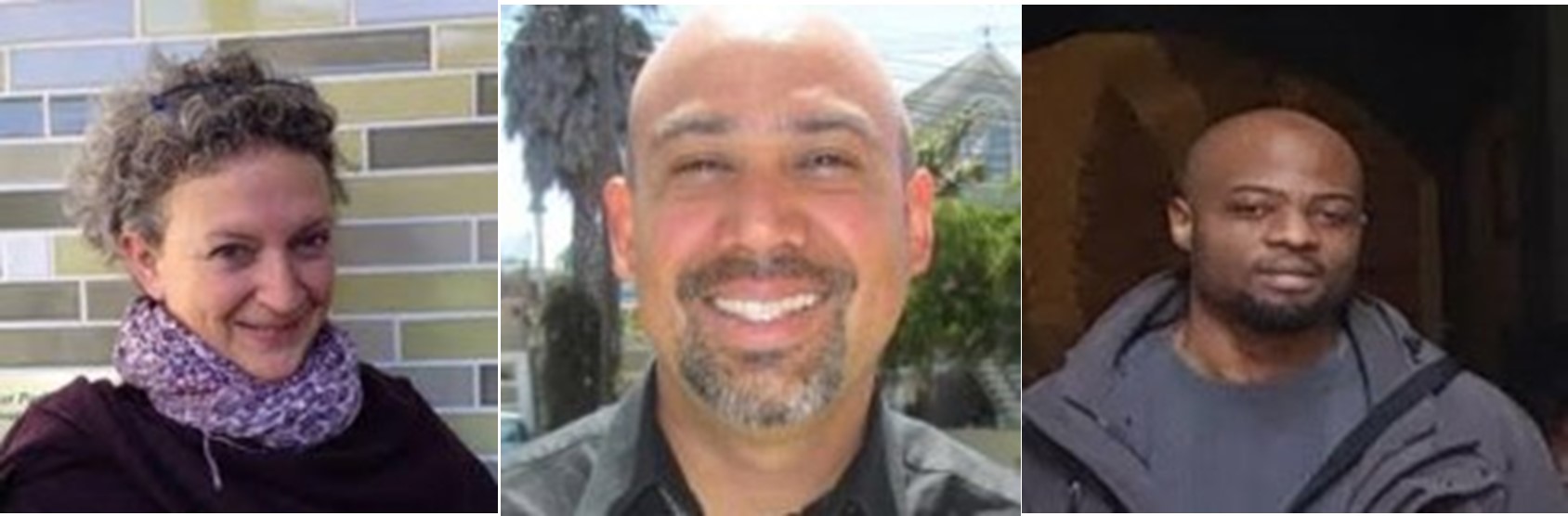
Presented by Paula Fleisher, Roberto Vargas and Saji Mansur
Objectives
After this module, trainees should be able to:
Part 1:
1. Name rationales for, benefits and challenges of community/stakeholder engagement in research.
2. Describe the continuum of engagement, and principles and best practices in community/stakeholder engagement in research.
3. Understand why health equity framing is necessary for health research in general and essential to stakeholder engagement.
4. Recognize their potential to be in solidarity with and/or join the movement for liberation, using research as a tool.
Part 2:
5. Understand how our own, and our institutions’, biases and privileges can influence research.
6. Understand how bias and racism can be propagated by research.
7. Understand best practices for working with populations that are socially and economically marginalized.
Activities: 10 -
Presented by Susan Hughes

Objectives
After this module, trainees should be able to:
Part 1:
1. Describe how the type of question determines study design
2. Be able to name three common clinical research study designs
3. Discuss the importance of human research subject protections
Part 2:
4. Name the key steps to experimental design
5. Explain why the best design to answer a treatment question is: randomized, blinded, controlled
Activities: 10 -
Presented by Katherine Dang
Objectives
After this module, trainees should able to:
Part 1:
1. Define what Quality Improvement is in healthcare
2. Understand the Institute of Healthcare Improvement Approach when conducting a quality improvement project
3. Identify a Quality Improvement problem
4. Design a SMART goal based upon a quality improvement problem
Part 2:
1. Understand how to identify and assess key stakeholders
2. Understand how to conduct a root cause analysis
3. Understand how to implement a PDSA cycle for test of change
Part 3:
1. Explore qualitative and quantitative analytical approaches for your measures
2. Review a real-world example for implementation of Quality Improvement tools like problem-statements, SMART goals, measures, stakeholder analysis, fishbone, process map, PICK chart, Plan-do-study-act (PDSA) cycle planning and run chart creation and interpretation.
Activities: 10 -
Presented by Emilia De Marchis

Objectives
After this module, trainees should be able to:
Part 1:
1. Describe what Implementation Science is, and how it relates to other types of research activity
2. Describe the evidence-practice gap
3. Describe the importance of incorporating an equity lens
4. Understand types of program evaluation
Part 2:
5. Describe how to make the case for translating evidence into practice
6. Understand that there are different sets of theories, models, frameworks used in implementation science (ImS) to guide ImS study design and analyses
Activities: 10 -
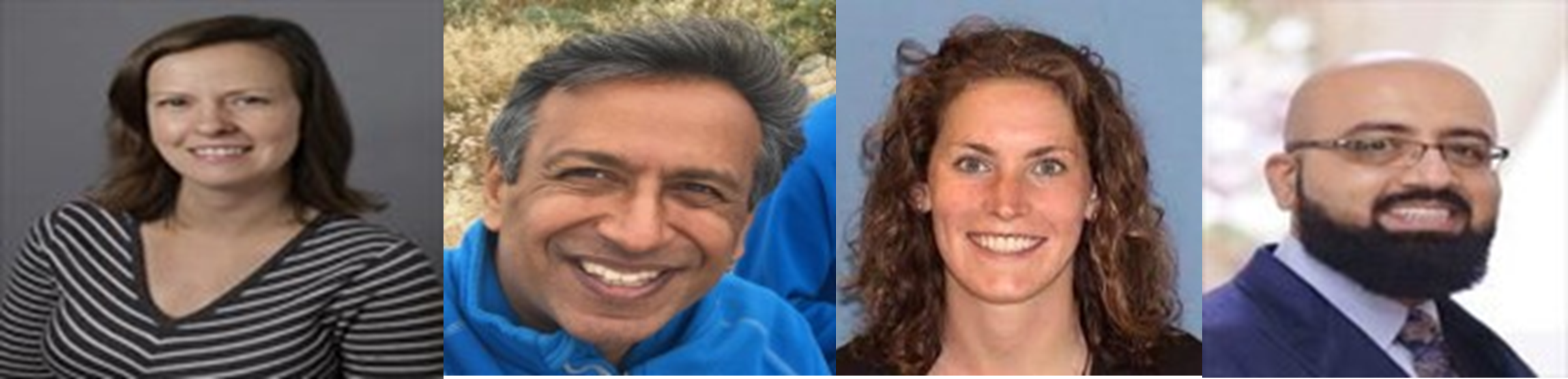
Presented by: Kelsey Holt, Sundeep Gupta, Emilia De Marchis, and M. Shoaib Khan.
Objectives
After this module, trainees should be able to:
Part 1: Survey design
1. Describe elements of survey design
2. Identify common pitfalls in survey development
3. Know where to look for already existing measures
Part 2: Qualitative research
4. Understand what qualitative research is and why you would use it
5. Understand the types of qualitative research
6. Understand the basic methods used in qualitative research
7. Understand ethical concerns around qualitative studies
Part 3: Mixed methods research
8. Understand what mixed methods research is and why you would use it
9. Understand the types of mixed methods study designs
10. Understand the principles of integrated quantitative and qualitative research
Part 4: Big data research
11. Understand how healthcare-related databases can be used for research, including their benefits and limitations
12. Understand what skills and resources are needed to conduct research using big data
Activities: 16 -
Objectives
1. Trainee completes a 3-5 page research protocol outlining a project that they can complete during their available time in Part 2 of the program.
Activities: 1 -
Objectives
1. Trainee completes a scholarly project and submits an abstract to a local or national conference.
Activities: 1 -
Presented by Brooke Harris.
Objectives
After this module, trainees should able to:
Part 1: Abstracts
1. Understand the critical elements of an abstract
2. Understand rules of thumb for abstract creation
3. Be aware of different writing techniques
4. Understand elements of poorly written and well written abstracts
Part 2: Posters
1. Understand the purpose of scientific posters
2. Understand the elements that go into a scientific poster
3. Understand the differences between research and Quality Improvement posters
4. Be aware of guidelines for poster creation
5. Understand common mistakes and how to avoid them
Part 3: Manuscripts
1. Understand the manuscript writing process
2. Understand how to determine publish-ability
3. Be aware of manuscript Content & Structure
Activities: 9 -
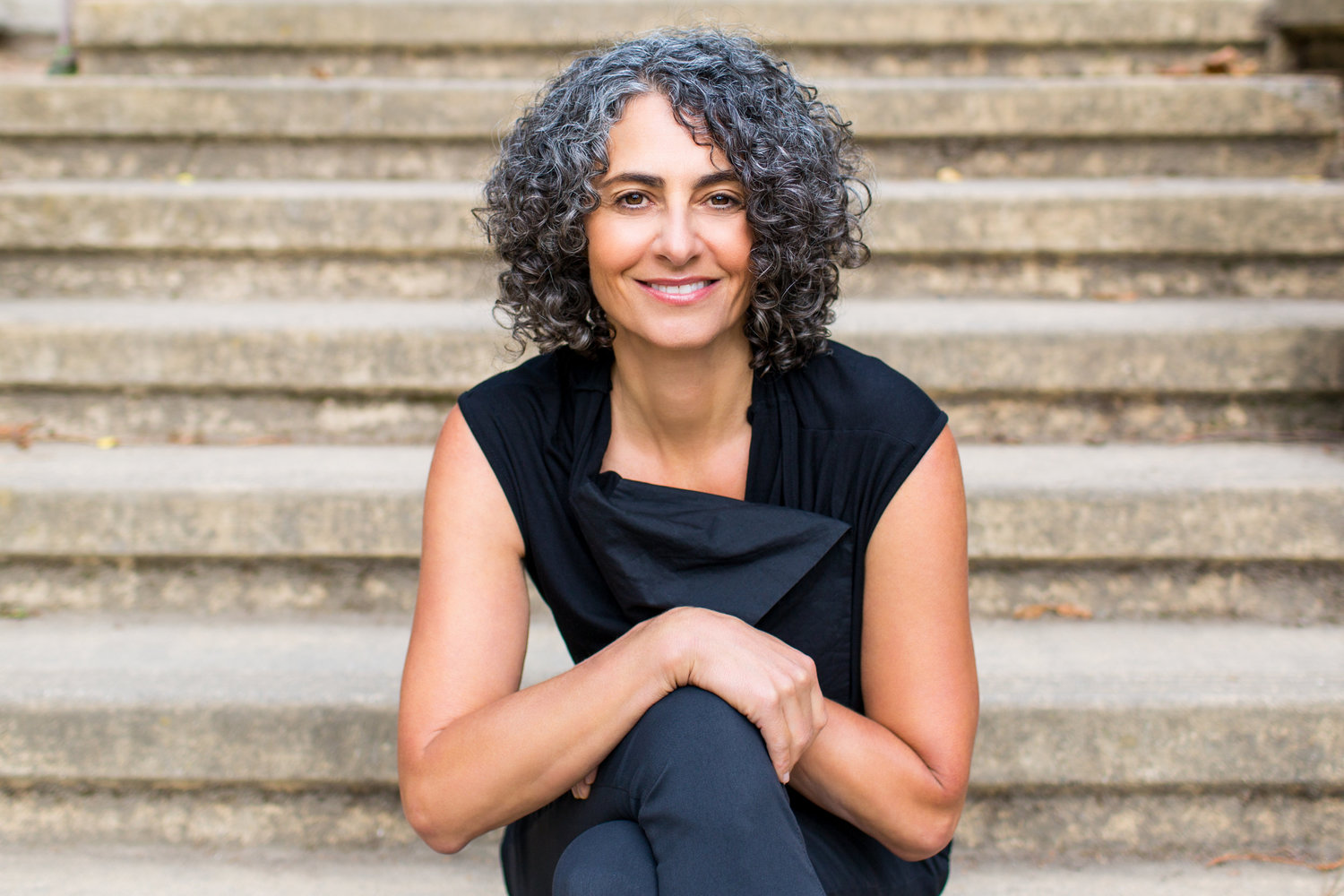 Presented by Daphane Miller.
Objectives
After this module, trainees should:
1. Understand how to develop and disseminate scholarly work to the non-research community and use storytelling to translate evidence into action
Activities: 4 -
Moderated by Michael Potter and Emilia De Marchis

Objectives
After this module, trainees should:
1. Be aware of different opportunities to incorporate scholarly activity in future careers
2. Know about training opportunities in scholarly activity and where to find additional resources
Activities: 3